Why Do Children Need Pediatric Physiotherapy?

In this article
Every child deserves the opportunity to grow, move, and participate in daily activities with confidence. While many children develop physical skills naturally, some may experience challenges that affect their movement, balance, strength, or coordination. This is where Pediatric Physiotherapy plays an important role in supporting healthy development.
Pediatric physiotherapy focuses on improving a child's physical abilities, helping them achieve developmental milestones, and enhancing their overall quality of life. Through personalized treatment plans and child-friendly activities, physiotherapists help children overcome physical challenges and reach their full potential.
What Is Pediatric Physiotherapy?
Pediatric Physiotherapy is a specialized branch of physiotherapy that focuses on assessing, treating, and managing movement-related conditions in infants, children, and adolescents. The goal is to improve mobility, strength, flexibility, posture, balance, and coordination.
Unlike adult physiotherapy, pediatric treatment is designed specifically for children and often includes play-based exercises and activities that make therapy engaging and enjoyable.
Why Is Pediatric Physiotherapy Important?
Children develop physical skills at different rates. However, some children may experience delays or conditions that affect their ability to move and perform everyday tasks. Pediatric Physiotherapy helps address these concerns early, allowing children to build the skills they need for independence and active participation in daily life.
Early intervention can support:
- Improved mobility and movement
- Better balance and coordination
- Enhanced muscle strength
- Increased flexibility
- Improved posture
- Greater confidence in physical activities
By addressing physical challenges early, children often experience better long-term developmental outcomes.
Common Conditions Treated with Pediatric Physiotherapy
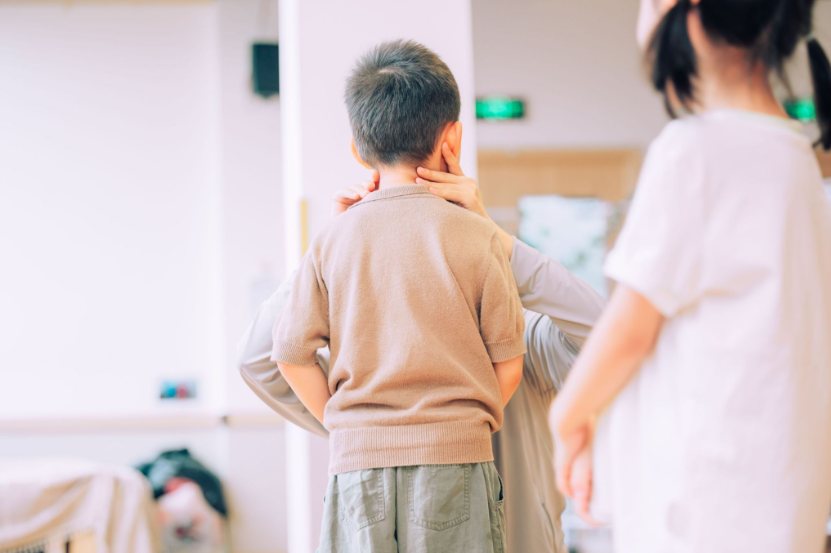
Many children can benefit from Physiotherapy for Children, particularly those with developmental, neurological, orthopedic, or genetic conditions.
Some common conditions include:
Developmental Delays
Children who are late in achieving milestones such as sitting, crawling, standing, or walking may benefit from physiotherapy interventions.
Cerebral Palsy
Pediatric physical therapy helps children with cerebral palsy improve muscle control, mobility, balance, and functional independence.
Autism Spectrum Disorder (ASD)
Many children with autism experience motor coordination difficulties that can be improved through physiotherapy programs.
Muscular Weakness
Children with low muscle tone or reduced strength often require targeted exercises to improve movement and stability.
Sports Injuries
Physiotherapy helps children recover safely from sports-related injuries while preventing future complications.
Post-Surgical Rehabilitation
Children recovering from surgery may require physiotherapy to regain strength, flexibility, and mobility.
Genetic and Neurological Disorders
Conditions such as Down syndrome, muscular dystrophy, and other neurological disorders can significantly benefit from structured physiotherapy programs.
How Pediatric Physiotherapy Supports Child Development
One of the main goals of Pediatric Physiotherapy is to support a child's physical development and functional abilities.
Improves Gross Motor Skills
Physiotherapy helps children develop skills such as sitting, standing, walking, running, jumping, and climbing.
Enhances Balance and Coordination
Therapy activities improve body awareness and help children move with greater control and confidence.
Builds Strength and Endurance
Targeted exercises help strengthen muscles and increase stamina for daily activities.
Promotes Independence
Children learn movement strategies that allow them to participate more independently at home, school, and in the community.
Improves Posture and Movement Patterns
Physiotherapists identify and correct movement difficulties that may affect long-term physical health.
Signs Your Child May Need Pediatric Physiotherapy
Parents should consider consulting a physiotherapist if they notice any of the following:
- Delayed motor milestones
- Difficulty walking or running
- Frequent falls or poor balance
- Muscle weakness
- Abnormal posture
- Joint stiffness
- Limited mobility
- Difficulty participating in age-appropriate physical activities
- Recovery after injury or surgery
Early assessment can help identify concerns and create an effective treatment plan.
What Happens During a Pediatric Physiotherapy Session?
A Pediatric Physiotherapy session is designed to be interactive, engaging, and enjoyable for children.
The physiotherapist may use:
- Play-based exercises
- Balance and coordination activities
- Strength training exercises
- Stretching routines
- Functional movement training
- Mobility exercises
- Sensory-motor activities
Each session is tailored to the child's age, abilities, and treatment goals to ensure the best possible outcomes.
The Role of Parents in Physiotherapy for Children
Parents play a vital role in the success of Physiotherapy for Children. Physiotherapists often provide home exercise programs and practical recommendations that can be incorporated into daily routines.
Parents can support progress by:
- Encouraging physical activity
- Practicing prescribed exercises regularly
- Creating opportunities for movement and play
- Monitoring developmental progress
- Maintaining regular therapy appointments
Consistent support at home helps reinforce the skills learned during therapy sessions.
Benefits of Early Pediatric Physical Therapy
Early intervention through pediatric physical therapy can have a lasting impact on a child's development. Some key benefits include:
- Faster achievement of developmental milestones
- Improved mobility and independence
- Better physical fitness and endurance
- Enhanced participation in school and recreational activities
- Reduced risk of secondary complications
- Improved confidence and self-esteem
The earlier physical challenges are identified and addressed, the greater the opportunity for positive developmental outcomes.
Pediatric Physiotherapy Services at Neuromotionindia
At neuromotionindia, our experienced pediatric physiotherapists provide personalized care for children with developmental, neurological, orthopedic, and physical challenges. We use evidence-based techniques and child-friendly approaches to help children improve mobility, strength, coordination, and independence.
Our goal is to create a supportive environment where children can develop essential movement skills and achieve their full potential through individualized therapy programs.
Conclusion
Pediatric Physiotherapy plays a crucial role in helping children overcome physical challenges and achieve important developmental milestones. Whether a child is experiencing developmental delays, recovering from an injury, or managing a neurological condition, early physiotherapy intervention can significantly improve their physical abilities and quality of life.
With professional guidance, family support, and consistent therapy, children can build the strength, confidence, and mobility needed to thrive in their everyday activities.