What Is Neuro Rehabilitation? A Complete Beginner's Guide
In this article
Our brain, spinal cord, and nerves control almost every movement, thought, and action we perform. When these parts of the nervous system are affected by an injury or neurological condition, everyday activities such as walking, speaking, eating, or remembering things can become difficult. This is where Neuro Rehabilitation plays a vital role.
Neuro Rehabilitation is a specialized treatment approach that helps individuals regain lost abilities, improve independence, and enhance their overall quality of life. Whether someone is recovering from a stroke, brain injury, spinal cord injury, or a neurological disorder, early rehabilitation can make a significant difference in their recovery journey.
What Is Neuro Rehabilitation?
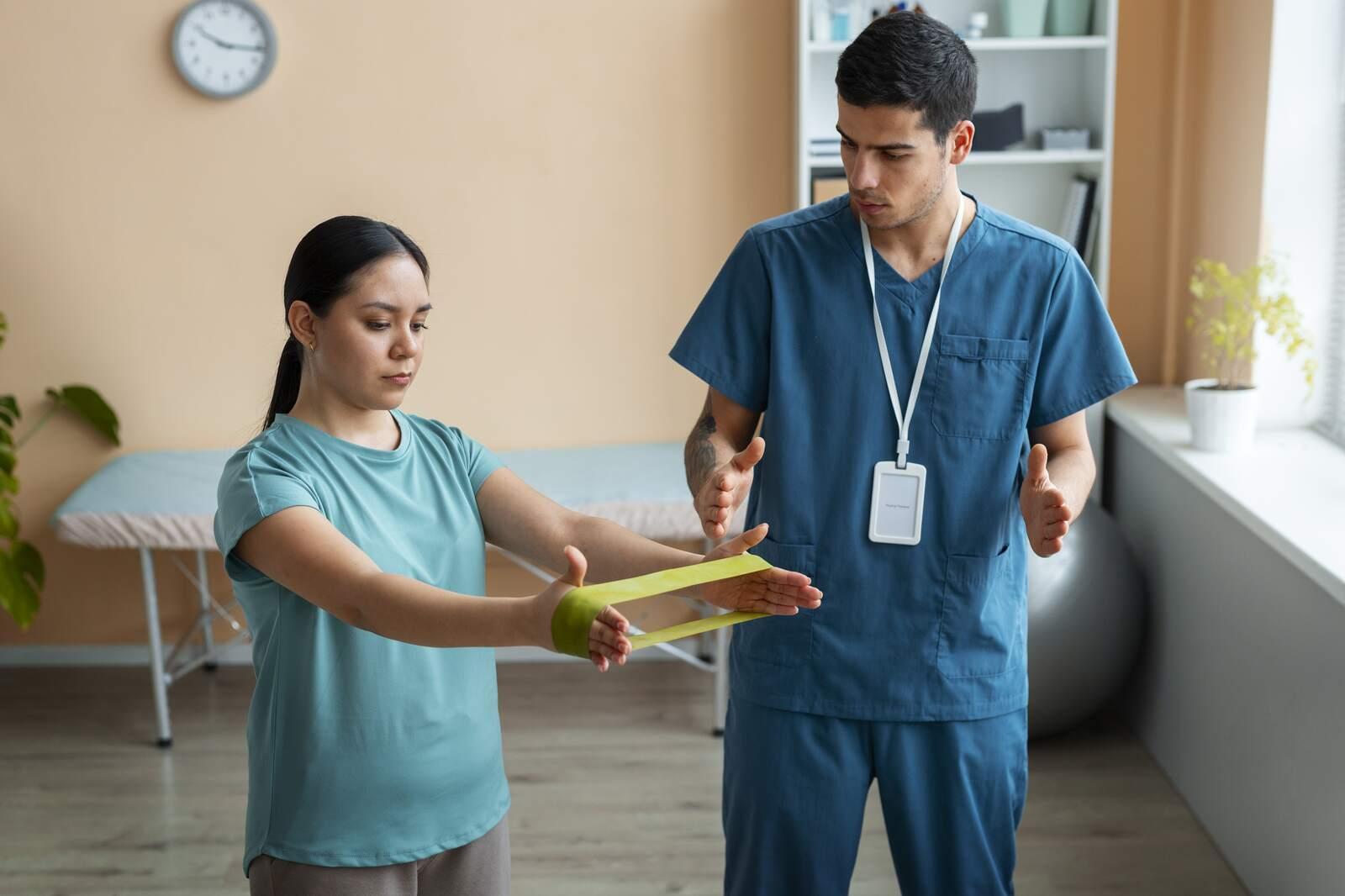
Neuro Rehabilitation, also known as Neurological Rehabilitation, is a personalized rehabilitation program designed for people with conditions affecting the brain, spinal cord, or nervous system. It combines different therapies to help patients restore physical, cognitive, communication, and daily living skills.
The primary goal of rehabilitation is not only to improve physical function but also to help individuals adapt to challenges, maximize independence, and participate confidently in daily life.
Every rehabilitation plan is tailored according to the patient's condition, symptoms, and recovery goals.
Who Can Benefit from Neuro Rehabilitation?
Neuro Rehabilitation can benefit people of all ages experiencing neurological conditions or injuries. It is commonly recommended for individuals recovering from:
- Stroke
- Traumatic brain injury
- Spinal cord injury
- Parkinson's disease
- Multiple sclerosis
- Cerebral palsy
- Bell's palsy
- Peripheral neuropathy
- Brain tumour surgery recovery
- Guillain-Barré syndrome
Each condition affects the nervous system differently, which is why personalized assessment and treatment are essential.
Signs You May Need Neuro Rehabilitation
Many neurological conditions can affect movement, communication, balance, and daily activities. You may benefit from Rehabilitation Therapy if you experience:
- Difficulty walking or maintaining balance
- Weakness in the arms or legs
- Poor coordination
- Speech or communication difficulties
- Swallowing problems
- Memory or concentration issues
- Difficulty performing everyday activities
- Reduced independence after a neurological illness or injury
Seeking professional support early often leads to better recovery outcomes.
How Does Neuro Rehabilitation Work?
Neuro Rehabilitation follows a structured and goal-oriented approach. A multidisciplinary team works together to create a personalized treatment plan based on the patient's needs.
The rehabilitation process typically includes:
Comprehensive Assessment
The rehabilitation team evaluates physical abilities, mobility, balance, speech, cognition, and daily functioning to understand the patient's current condition.
Personalized Treatment Plan
Based on the assessment, therapists develop an individualized rehabilitation program with realistic recovery goals.
Ongoing Therapy Sessions
Patients participate in regular therapy sessions focused on improving movement, communication, strength, coordination, and independence.
Progress Monitoring
Recovery is monitored regularly, and treatment plans are adjusted as the patient's condition improves.
Types of Neuro Rehabilitation Therapies
A successful Neuro Rehab program often includes several specialized therapies working together.
Neuro Physiotherapy
Focuses on improving movement, strength, balance, posture, coordination, and walking ability through targeted exercises.
Occupational Therapy
Helps patients regain independence in everyday activities such as dressing, bathing, eating, writing, and household tasks.
Speech and Language Therapy
Supports individuals with speech, language, communication, and swallowing difficulties caused by neurological conditions.
Cognitive Rehabilitation
Improves memory, attention, problem-solving, concentration, and thinking skills affected by brain injuries or neurological disorders.
Balance and Gait Training
Specialized exercises help reduce the risk of falls while improving walking confidence and stability.
Benefits of Neuro Rehabilitation
The benefits of Neuro Rehabilitation extend beyond physical recovery. It supports the overall well-being of patients by helping them regain confidence and independence.
Some key benefits include:
- Improved mobility and balance
- Better coordination and strength
- Enhanced communication skills
- Improved swallowing ability
- Greater independence in daily activities
- Better memory and cognitive function
- Reduced pain and stiffness
- Increased confidence and emotional well-being
- Improved overall quality of life
Consistent therapy and active participation often lead to meaningful improvements over time.
What Happens During a Neuro Rehabilitation Session?
Each rehabilitation session is designed around the patient's specific goals and abilities.
Depending on the individual's condition, therapy may include:
- Strengthening and stretching exercises
- Balance and coordination training
- Walking practice
- Functional movement training
- Speech and communication exercises
- Memory and cognitive activities
- Swallowing therapy
- Home exercise guidance
Therapists continuously encourage patients while gradually increasing the difficulty of activities as recovery progresses.
Why Early Neuro Rehabilitation Matters
Early intervention is one of the most important factors in neurological recovery. Starting rehabilitation soon after a stroke, injury, or diagnosis can help the brain and nervous system adapt more effectively.
Early Neurological Rehabilitation may help:
- Improve recovery speed
- Reduce long-term disability
- Prevent complications
- Restore independence sooner
- Improve physical and emotional well-being
Even individuals living with chronic neurological conditions can continue to benefit from ongoing rehabilitation.
Neuro Rehabilitation Services at Neuromotion India
At Neuromotion India, we provide comprehensive Neuro Rehabilitation services for children and adults affected by neurological conditions. Our experienced multidisciplinary team develops personalized treatment plans that focus on improving mobility, communication, cognitive function, and independence.
Using evidence-based rehabilitation techniques, we aim to help every patient achieve meaningful progress in a supportive and compassionate environment.
Conclusion
Neuro Rehabilitation is an essential part of recovery for individuals living with neurological conditions or injuries. Through personalized Rehabilitation Therapy, patients can improve movement, communication, cognitive abilities, and overall independence.
If you or a loved one is experiencing challenges after a neurological condition, seeking professional rehabilitation at the earliest opportunity can significantly improve long-term outcomes. With the right guidance, consistent therapy, and family support, many individuals can regain confidence and enjoy a better quality of life.
FAQs
1. What is Neuro Rehabilitation?
Neuro Rehabilitation is a specialized treatment program that helps people recover physical, cognitive, communication, and daily living skills after neurological injuries or disorders.
2. Who needs Neuro Rehabilitation?
Individuals recovering from stroke, brain injury, spinal cord injury, Parkinson's disease, multiple sclerosis, cerebral palsy, and other neurological conditions may benefit from Neuro Rehabilitation.
3. What therapies are included in Neuro Rehabilitation?
Treatment may include neuro physiotherapy, occupational therapy, speech and language therapy, cognitive rehabilitation, balance training, and swallowing therapy.
4. How long does Neuro Rehabilitation take?
The duration varies depending on the individual's condition, severity, overall health, and recovery goals. Some patients recover within months, while others benefit from long-term rehabilitation.
5. Can Neuro Rehabilitation improve quality of life?
Yes. Neuro Rehabilitation helps improve mobility, communication, independence, confidence, and overall quality of life, allowing individuals to participate more actively in daily activities.