What Is Gait Training and Who Needs It?
In this article
What Is Gait Training and Who Needs It?
Difficulty walking safely and confidently is one of the most common concerns adults raise after a stroke, brain injury, spinal cord injury, or other neurological condition. Gait training is a rehabilitation approach designed to address exactly this concern.
Adult neuro-rehabilitation focuses on the person's current abilities and meaningful functional goals. Physiotherapy may be one part of this process, with treatment selected after assessment and coordinated with other healthcare professionals when required.
For adults in Delhi NCR, including Faridabad, Gurgaon, Noida, and Ghaziabad, Neuromotion India provides specialized rehabilitation support for neurological and functional challenges.
Quick Summary
What Is Gait Training? can be addressed through individualized rehabilitation.
Who Needs Gait Training? can be addressed through individualized rehabilitation.
Common Conditions That Affect Walking Ability can be addressed through individualized rehabilitation.
How Gait Training Sessions Are Structured can be addressed through individualized rehabilitation.
Assistive Devices and Walking Aids in Gait Training can be addressed through individualized rehabilitation.
Signs an Adult May Benefit From Gait Training can be addressed through individualized rehabilitation.
Rehabilitation goals should be based on assessment, safety, and the individual's priorities.
Recovery varies significantly between adults, and there is no universal recovery timeline.
Multidisciplinary rehabilitation may be appropriate for complex neurological conditions.
Professional assessment can help determine the most suitable rehabilitation pathway.
Table of Contents
1. What Is Gait Training?
2. Who Needs Gait Training?
3. Common Conditions That Affect Walking Ability
4. How Gait Training Sessions Are Structured
5. Assistive Devices and Walking Aids in Gait Training
6. Signs an Adult May Benefit From Gait Training
7. Managing Expectations Around Walking Recovery
8. Gait Training and Community Mobility
9. How Neuromotion India Supports Gait Rehabilitation
10. When Should You Seek Professional Rehabilitation?
What Is Gait Training?
Gait training refers to structured rehabilitation focused on improving the pattern, safety, and efficiency of walking. It typically involves practising specific components of the walking cycle, such as balance, weight shifting, and foot placement, in a progressive and individualized way.
Who Needs Gait Training?
Gait training may be appropriate for adults who have difficulty walking safely, walk with an altered pattern, tire quickly while walking, or feel unsteady on their feet. India's elderly population is projected to grow substantially through 2026, and this demographic shift is increasingly reflected in growing recognition of mobility and gait-related rehabilitation needs across the country.
If you or your family member is experiencing difficulty with who needs gait training?, a professional rehabilitation assessment can help identify appropriate next steps.
Common Conditions That Affect Walking Ability
Walking difficulties can occur after stroke, traumatic brain injury, spinal cord injury, Parkinson's disease, multiple sclerosis, and other neurological or orthopedic conditions. The specific gait pattern and rehabilitation approach depend on the underlying cause.
How Gait Training Sessions Are Structured
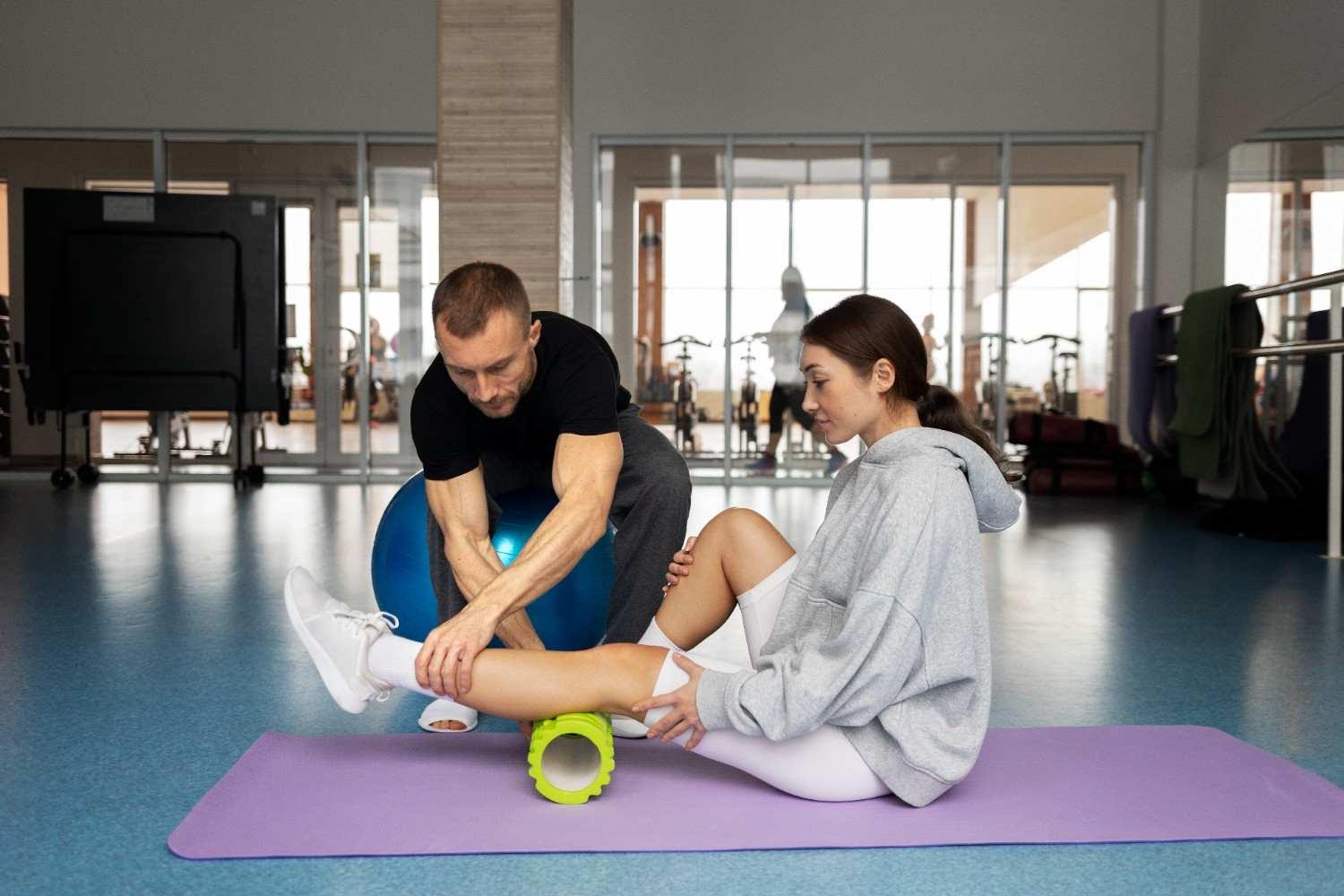
Sessions are typically structured around an initial assessment of walking pattern, balance, and safety, followed by individualized exercises that are progressed as the person's ability improves. Sessions may use parallel bars, supportive equipment, or open floor space depending on need.
Assistive Devices and Walking Aids in Gait Training
Some adults may use walking aids such as canes, walkers, or orthotic devices as part of their rehabilitation. The decision to use, adjust, or reduce reliance on an assistive device is typically guided by a professional assessment.
If you or your family member is experiencing difficulty with assistive devices and walking aids in gait training, a professional rehabilitation assessment can help identify appropriate next steps.
Signs an Adult May Benefit From Gait Training
Signs that gait training may be beneficial include frequent stumbling, reduced walking speed, difficulty with stairs, reliance on furniture for support, or a noticeable change in walking pattern after a medical event.
Managing Expectations Around Walking Recovery
Walking recovery varies significantly between individuals, and there is no single timeline that applies to everyone. Rehabilitation goals are typically set based on the person's current ability, safety considerations, and personal priorities.
Gait Training and Community Mobility
Beyond walking within a clinic or home, gait training may also address the skills needed to move safely in the community, including navigating uneven surfaces, curbs, and crowded environments.
If you or your family member is experiencing difficulty with gait training and community mobility, a professional rehabilitation assessment can help identify appropriate next steps.
How Neuromotion India Supports Gait Rehabilitation
Neuromotion India provides rehabilitation support for adults experiencing walking and balance difficulties. An individualized assessment can help identify the most appropriate gait training approach. Patients across Delhi NCR can seek professional assessment based on their needs.
When Should You Seek Professional Rehabilitation?
Professional assessment can be useful when walking difficulties are persistent, worsening, or affecting safety and independence. Reassessment may also be appropriate as rehabilitation goals evolve.
When to Seek Professional Help
Professional rehabilitation assessment may be appropriate when an adult has persistent or worsening difficulty with movement, balance, walking, transfers, upper limb function, endurance, or everyday independence. New or sudden neurological symptoms require urgent medical evaluation rather than waiting for routine physiotherapy.
Do not delay professional evaluation when functional difficulties are interfering with safety or everyday life.
Conclusion
What Is Gait Training and Who Needs It? should be approached as an individualized rehabilitation process rather than a fixed set of exercises. Physiotherapy can focus on practical goals such as mobility, balance, strength, coordination, endurance, and participation in everyday activities, depending on the individual's condition.
Recovery can vary substantially between adults. A structured assessment can help identify current abilities, limitations, safety considerations, and realistic goals. Where needed, physiotherapy can also be coordinated with other rehabilitation professionals to support a broader recovery plan.
Neuromotion India offers specialized adult neuro-rehabilitation support across Delhi NCR, including Faridabad, Gurgaon, Noida, and Ghaziabad. Book an offline consultation with the rehabilitation team to receive a personalized assessment and understand the most appropriate rehabilitation pathway for your condition.
Frequently Asked Questions
1. Who is gait training suitable for?
Gait training may be suitable for adults with walking difficulties following stroke, brain injury, spinal cord injury, Parkinson's disease, or other conditions affecting balance and mobility.
2. Is gait training the same as normal physiotherapy?
Gait training is a specific, structured component of physiotherapy that focuses on walking, whereas broader physiotherapy may also address strength, balance, and other functional goals.
3. Can older adults benefit from gait training?
Yes. Age-related changes in balance and strength, along with neurological conditions, can affect walking, and rehabilitation can be adapted to an older adult's needs.
4. Will I need a walking aid after gait training?
Not necessarily. Some adults reduce reliance on walking aids over time, while others continue to use them safely; this is determined through ongoing assessment.
5. How many sessions of gait training are usually needed?
There is no fixed number of sessions. The plan depends on the individual's condition, goals, and progress, and is reviewed periodically.
6. Can gait training be done at home?
Some gait training principles can be practised at home under guidance, though supervised sessions are often recommended, particularly in the earlier stages of rehabilitation.
7. What is neuro physiotherapy?
Neuro physiotherapy is rehabilitation focused on movement and function affected by neurological conditions such as stroke, brain injury, and spinal cord injury.
8. Where can I access gait rehabilitation in Delhi NCR?
Adults across Delhi NCR can seek assessment from a specialized neuro-rehabilitation provider such as Neuromotion India.
9. When should someone consider gait training?
Gait training may be worth considering when walking has become unsteady, slower, or less confident, particularly after a neurological or orthopedic event.