Best Stroke Care Clinic in Delhi NCR
In this article
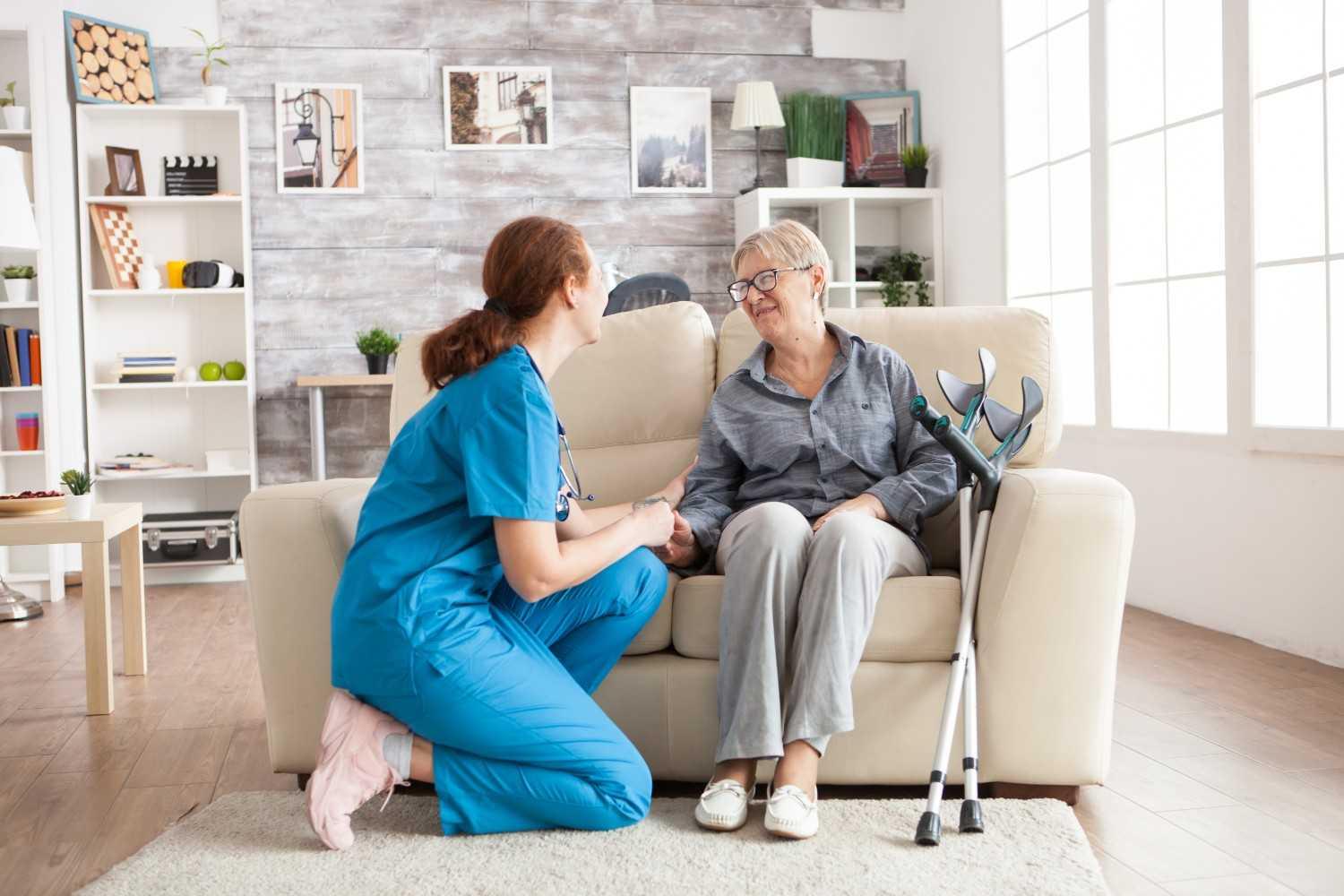
Homecare - Best Stroke Care at Home
Recovering from a stroke is a journey that requires patience, expert guidance, and consistent rehabilitation. While hospital treatment is essential during the initial stages, stroke care clinic plays a significant role in helping patients regain independence and improve their quality of life. A well-planned home rehabilitation program can support physical recovery, speech improvement, emotional well-being, and daily functioning in a familiar and comfortable environment.
With professional home healthcare services, patients receive personalized care tailored to their medical condition and recovery goals. Whether it involves home physiotherapy for stroke patients, speech therapy, occupational therapy, or nursing care, receiving treatment at home can make rehabilitation more convenient while encouraging active family participation.
This guide explains everything you need to know about stroke recovery at home, including symptoms, rehabilitation methods, benefits, and how Neuromotion India supports patients across Delhi NCR with evidence-based home care solutions.
Quick Summary
- Stroke rehabilitation should begin as early as medically recommended.
- Stroke care at home provides personalized treatment in a familiar environment.
- Home rehabilitation may include physiotherapy, occupational therapy, speech therapy, and nursing support.
- Family involvement plays an important role in recovery.
- Consistent therapy and regular monitoring can help improve functional independence.
- Neuromotion India offers comprehensive home healthcare services across Delhi NCR.
Table of Contents
- What is Stroke Care at Home?
- Signs and Symptoms After Stroke
- Common Causes of Stroke
- Risk Factors
- Diagnosis and Initial Treatment
- Importance of Stroke Recovery at Home
- Home Rehabilitation Services
- Benefits of Early Rehabilitation
- Home Physiotherapy for Stroke Patients
- Tips for Caregivers
- Why Choose Neuromotion India?
- When to Seek Medical Help
- Conclusion
What is Stroke Care at Home?
Stroke care at home refers to professional medical and rehabilitation services provided in the patient's home after hospital discharge. These services focus on restoring movement, communication, balance, strength, and independence while reducing the risk of complications.
A personalized home care program may include:
- Physiotherapy
- Occupational therapy
- Speech and swallowing therapy
- Nursing care
- Mobility training
- Balance exercises
- Cognitive rehabilitation
- Caregiver education
The goal of post stroke rehabilitation at home is to help patients perform daily activities safely while improving their overall quality of life.
Signs and Symptoms After Stroke
Stroke recovery differs for every individual. Common symptoms that may continue after a stroke include:
- Weakness on one side of the body
- Difficulty walking
- Poor balance and coordination
- Muscle stiffness or spasticity
- Speech difficulties
- Swallowing problems
- Memory issues
- Reduced hand function
- Fatigue
- Emotional changes such as anxiety or depression
Recognizing these symptoms early allows rehabilitation professionals to develop an appropriate treatment plan.
Common Causes of Stroke
A stroke occurs when blood flow to the brain is interrupted.
The two main types include:
Ischemic Stroke
Occurs due to blockage in a blood vessel supplying the brain.
Hemorrhagic Stroke
Occurs when a blood vessel bursts, causing bleeding inside the brain.
Common causes include:
- High blood pressure
- Heart disease
- Diabetes
- High cholesterol
- Smoking
- Obesity
- Irregular heartbeat
- Blood clotting disorders
Managing these conditions is essential to reduce the risk of another stroke.
Risk Factors
Several factors increase the likelihood of experiencing a stroke.
These include:
- Age above 55 years
- Family history
- Hypertension
- Diabetes
- Smoking
- Excessive alcohol consumption
- Physical inactivity
- Obesity
- High cholesterol
- Heart disease
Although some factors cannot be changed, adopting a healthy lifestyle can significantly reduce future risk.
Diagnosis and Initial Treatment
Stroke diagnosis usually involves:
- CT Scan
- MRI Scan
- Blood tests
- Neurological examination
- ECG
- Carotid ultrasound
- Echocardiogram
Once the patient becomes medically stable, rehabilitation should begin as early as advised by the treating physician.
Early intervention supports better functional outcomes and helps prevent complications such as muscle stiffness and reduced mobility.
Importance of Stroke Recovery at Home
After discharge from the hospital, many patients continue their rehabilitation through stroke recovery at home.
Home rehabilitation offers several advantages:
- Comfortable surroundings
- Reduced travel burden
- Personalized therapy sessions
- Greater family involvement
- Better adherence to treatment plans
- Focus on real-life daily activities
A structured rehabilitation program can improve confidence while helping patients gradually regain independence.
Home Healthcare Services for Stroke Patients
Professional home healthcare services provide multidisciplinary rehabilitation according to individual recovery needs.
These services may include:
Home Physiotherapy
Improves:
- Walking ability
- Balance
- Muscle strength
- Joint mobility
- Coordination
Occupational Therapy
Focuses on:
- Dressing
- Bathing
- Eating
- Writing
- Household activities
Speech Therapy
Supports patients experiencing:
- Speech disorders
- Language difficulties
- Swallowing problems
- Cognitive communication issues
Nursing Care
Includes:
- Medication management
- Blood pressure monitoring
- Wound care
- Feeding support
- General health monitoring
Together, these services create a comprehensive rehabilitation program.
Home Physiotherapy for Stroke Patients
One of the most important components of recovery is home physiotherapy for stroke patients.
Treatment plans are customized based on each patient's condition and may include:
- Range-of-motion exercises
- Strength training
- Balance exercises
- Walking practice
- Transfer training
- Bed mobility exercises
- Stair climbing practice
- Functional movement training
Therapists continuously monitor progress and modify exercises according to recovery.
Consistency is often more important than intensity, making regular therapy sessions valuable throughout rehabilitation.
Benefits of Early Rehabilitation
Beginning post stroke rehabilitation at home early can provide several benefits, including:
- Improved mobility
- Better balance
- Enhanced coordination
- Greater independence
- Reduced stiffness
- Better confidence
- Improved communication
- Safer daily activities
- Increased participation in family life
Every patient's recovery timeline is unique, but early rehabilitation helps maximize functional potential.
Tips for Family Caregivers
Family members play an important role during recovery.
Helpful caregiving practices include:
- Encourage daily exercises.
- Maintain medication schedules.
- Ensure a safe home environment.
- Prevent falls by removing hazards.
- Offer emotional encouragement.
- Promote healthy eating.
- Attend therapy sessions when possible.
- Monitor any new symptoms.
Caregiver education helps create a supportive recovery environment.
Why Choose Neuromotion India?
Neuromotion India provides comprehensive stroke care at home across Delhi NCR, including Faridabad, Gurgaon, Noida, and Ghaziabad.
Patients benefit from:
- Experienced rehabilitation professionals
- Personalized treatment plans
- Evidence-based therapy approaches
- Advanced rehabilitation techniques
- Home-based physiotherapy
- Occupational therapy
- Speech therapy
- Patient-centered care
- Regular progress monitoring
- Convenient home visits
The multidisciplinary team works closely with patients and caregivers to support recovery goals while promoting independence and improving daily functioning.
When to Seek Immediate Medical Attention
Contact a healthcare professional immediately if a stroke survivor experiences:
- Sudden weakness
- Difficulty speaking
- Severe headache
- Loss of consciousness
- Chest pain
- New difficulty walking
- Sudden confusion
- Vision changes
- Seizures
Early medical intervention is essential if symptoms suggest another stroke or another serious health issue.
Conclusion
Recovering after a stroke requires ongoing rehabilitation, patience, and professional support. Stroke care at home provides a practical and personalized approach that allows patients to continue therapy in a familiar environment while involving family members in the recovery process.
With expert home healthcare services, including home physiotherapy for stroke patients, occupational therapy, speech therapy, and nursing care, individuals can work toward improving mobility, communication, and independence at their own pace. Although every recovery journey is different, consistent rehabilitation and timely medical guidance can make a meaningful difference.
If you or a loved one is recovering from a stroke, Neuromotion India offers comprehensive home-based rehabilitation services across Delhi NCR, Faridabad, Gurgaon, Noida, and Ghaziabad. Schedule an offline consultation with our expert rehabilitation team to receive a personalized recovery plan designed around your individual needs and goals.
FAQs
1. What is stroke care at home?
Stroke care at home involves professional rehabilitation and medical support provided after hospital discharge. It may include home physiotherapy, occupational therapy, speech therapy, nursing care, and caregiver guidance to help patients regain mobility, communication, and independence in a familiar environment.
2. When should stroke rehabilitation begin?
Stroke rehabilitation should begin as soon as the patient is medically stable and the treating doctor recommends therapy. Early rehabilitation can help improve mobility, reduce complications, and support better long-term recovery.
3. What services are included in home healthcare for stroke patients?
Home healthcare services may include physiotherapy, occupational therapy, speech and swallowing therapy, nursing care, mobility training, balance exercises, medication monitoring, and caregiver education. The treatment plan is tailored to each patient's condition and recovery goals.
4. How does home physiotherapy help stroke patients?
Home physiotherapy focuses on improving muscle strength, balance, walking ability, coordination, flexibility, and functional movement. Therapists design personalized exercise programs based on the patient's physical abilities and recovery progress.
5. Can speech therapy be provided at home after a stroke?
Yes. Speech therapists can provide home-based therapy to help patients improve speech, language, communication, cognitive skills, and swallowing difficulties following a stroke.
6. How long does stroke recovery at home take?
Recovery time varies depending on the type of stroke, severity, age, overall health, and consistency of rehabilitation. Some patients improve within a few months, while others may require long-term therapy. Recovery timelines differ for every individual.
7. Is home rehabilitation suitable for elderly stroke patients?
Yes. Home rehabilitation is often beneficial for older adults because therapy is provided in a familiar setting, reducing travel-related stress while allowing caregivers to actively participate in the recovery process.
8. What exercises are commonly recommended after a stroke?
Common rehabilitation exercises include range-of-motion exercises, strength training, balance exercises, gait training, hand coordination activities, stretching, and functional movement practice. Exercises should always be performed under professional guidance.
9. How can caregivers support stroke recovery at home?
Caregivers can assist by encouraging therapy sessions, maintaining medication schedules, creating a safe home environment, supporting healthy nutrition, monitoring symptoms, and providing emotional encouragement throughout the recovery journey.
10. When should a stroke survivor seek immediate medical attention?
Immediate medical care is necessary if a stroke survivor develops sudden weakness, slurred speech, severe headache, loss of consciousness, seizures, vision changes, chest pain, or new difficulty walking, as these may indicate another medical emergency.