Signs That Your Neurological Rehabilitation Program Is Working
In this article
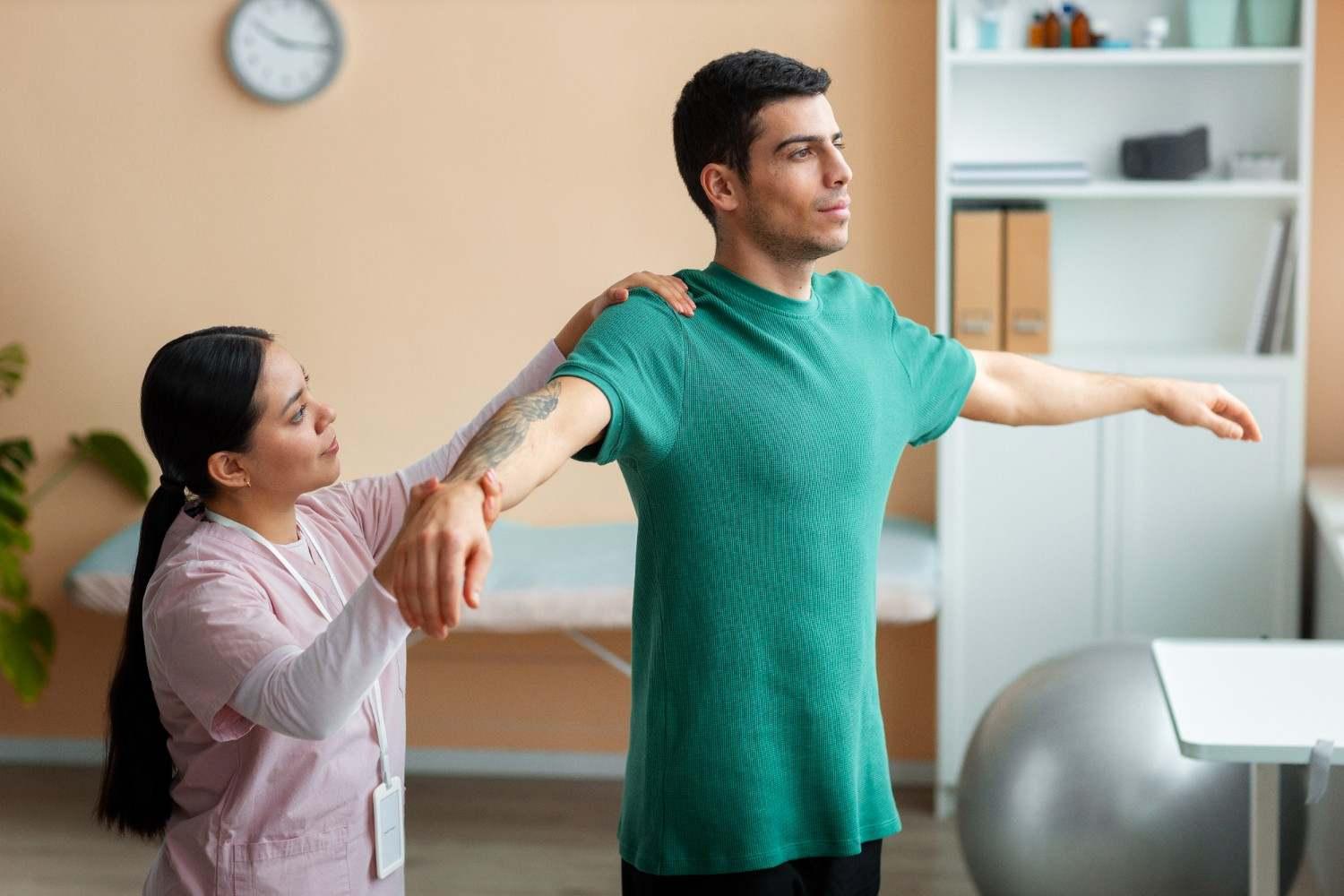
Neurological rehabilitation is a structured process that focuses on improving movement, function, mobility, and independence following a neurological condition. Conditions such as stroke, traumatic brain injury, spinal cord injury, Parkinson's disease, multiple sclerosis, and other neurological disorders can affect people differently, making rehabilitation highly individualized.
One of the common questions patients and families have is whether their rehabilitation program is actually working. Progress is not always immediate or easy to notice. In some cases, improvements may be visible through better walking or balance, while in others, progress may first appear as improved coordination, reduced assistance during daily activities, or greater tolerance for exercise.
Understanding the signs of neurological recovery can help patients and caregivers recognize meaningful changes without expecting a fixed recovery timeline. During neuro rehab in Faridabad, rehabilitation professionals can use assessments and functional observations to monitor changes and adjust treatment according to the person's abilities and goals.
Quick Summary
- Neurological rehabilitation progress can appear in several different forms.
- Improved balance, movement, coordination, strength, and endurance may indicate functional progress.
- Requiring less assistance during everyday activities can be an important sign of improvement.
- Better walking ability may involve improved control, safety, endurance, or consistency rather than simply walking faster.
- Improvements in confidence and participation can also be meaningful.
- Progress may be gradual and may not occur at the same rate every day.
- Regular neuro rehabilitation assessments help professionals monitor changes over time.
- Every person's recovery is different, so progress should be compared with their own baseline rather than another person's recovery.
- Professional rehabilitation can help determine whether treatment goals remain appropriate.
Table of Contents
- What Does Progress Look Like During Neurological Rehabilitation?
- Improved Balance and Postural Control
- Better Movement and Coordination
- Increased Strength and Functional Mobility
- Improved Walking and Gait Control
- Greater Endurance During Daily Activities
- Reduced Assistance With Everyday Tasks
- Improved Confidence and Participation
- Why Progress Can Be Gradual
- The Importance of Regular Neuro Rehabilitation Assessments
- How Neuromotion India Supports Neuro Rehabilitation
- When Should You Seek Professional Rehabilitation?
- Conclusion
- Frequently Asked Questions
What Does Progress Look Like During Neurological Rehabilitation?
Progress during neurological rehabilitation does not have one universal definition. It depends on the person's condition, starting abilities, functional limitations, and rehabilitation goals.
For one person, progress may mean being able to sit independently for a longer period. For another, it may involve walking with improved balance or performing a household activity with less assistance.
Some common signs of progress may include:
- Better control of body movements
- Improved balance
- Greater muscle strength
- Better coordination
- Increased walking ability
- Improved endurance
- Reduced dependence on caregivers
- Greater confidence during movement
- Improved ability to participate in daily activities
During neuro rehab in Faridabad, these changes can be reviewed through functional observation and professional assessment.
It is also important to understand that progress does not necessarily mean that every symptom disappears. Rehabilitation often focuses on improving function and helping an individual work toward meaningful and realistic goals.
Improved Balance and Postural Control
Balance is an important component of neurological rehabilitation because it affects sitting, standing, walking, reaching, and many everyday activities.
An individual may initially need support to maintain a sitting or standing position. With appropriate rehabilitation, they may gradually develop better postural control.
Some possible signs of improvement include:
- Sitting upright with greater stability
- Maintaining standing for longer
- Requiring less external support
- Shifting weight more effectively
- Turning with improved control
- Reaching without losing balance
- Recovering more effectively from small changes in position
Improved balance can also contribute to safer mobility.
However, balance should be assessed according to the individual's abilities and environment. Being able to stand in a controlled therapy environment does not automatically mean that a person is ready to walk independently outdoors.
A neurological physiotherapy professional can assess different functional situations and determine how rehabilitation exercises should progress.
Better Movement and Coordination
Neurological conditions can affect the brain's ability to control and coordinate movement. As a result, a person may initially experience slow, inaccurate, or poorly controlled movements.
One sign that a rehabilitation program may be helping is improved control during functional movements.
This may include:
- Moving an affected arm more accurately
- Reaching toward an object with better control
- Improving foot placement while walking
- Performing repeated movements more consistently
- Coordinating different parts of the body more effectively
- Completing movement-based tasks with fewer corrections
Improved coordination may not always be immediately obvious. A patient might perform a familiar task more smoothly even if their overall strength has not changed significantly.
For this reason, neuro rehabilitation progress should be evaluated through multiple functional measures rather than relying on a single symptom.
Increased Strength and Functional Mobility
Strength can influence a person's ability to stand, transfer, walk, climb stairs, and perform other everyday activities.
However, strength improvements are most meaningful when they contribute to functional abilities.
For example, a person may progress from requiring substantial assistance to stand from a chair to completing the movement with minimal assistance or supervision.
Other potential signs include:
- Maintaining a standing position for longer
- Performing transfers more easily
- Supporting body weight more effectively
- Completing functional movements with less assistance
- Repeating activities with better control
- Using an affected limb more effectively
During neuro rehab in Faridabad, rehabilitation professionals can evaluate how strength contributes to functional movement and adjust the rehabilitation plan accordingly.
The goal is not simply to make muscles stronger but to help the person use their abilities in meaningful activities.
Improved Walking and Gait Control
Walking is a major rehabilitation goal for many people following neurological conditions.
However, improvement in walking does not necessarily mean simply increasing walking speed.
A person may demonstrate progress through:
- Improved step consistency
- Better foot placement
- Greater stability
- Improved weight shifting
- Better control during turns
- Increased walking distance
- Reduced dependence on assistance
- Improved ability to navigate familiar environments
- Better endurance during walking
Someone who previously required considerable assistance may eventually walk with supervision or an appropriate walking aid.
For another individual, the main goal may be improving an altered walking pattern or reducing the effort required for everyday mobility.
This is why gait and mobility should be assessed according to individual rehabilitation goals rather than using one standard definition of successful recovery.
Greater Endurance During Daily Activities
Fatigue and reduced endurance can make everyday activities challenging following neurological conditions.
A person may initially become tired after a short period of standing, walking, or performing household activities. Over time, improved activity tolerance may become another sign of rehabilitation progress.
For example, the individual may gradually be able to:
- Walk for longer periods
- Participate in therapy for longer
- Complete more household activities
- Stand for longer while performing a task
- Take fewer rest breaks during appropriate activities
- Participate more actively in family or community activities
Improved endurance should still be approached gradually. Doing more activity is not always better if it results in excessive fatigue or compromises safety.
A personalized neuro rehabilitation program considers the person's response to activity and adjusts the level of challenge appropriately.
Reduced Assistance With Everyday Tasks
One of the most meaningful signs of functional recovery can be a reduction in the amount of help required from another person.
For example, a person may initially need assistance with:
- Getting out of bed
- Moving from a chair to standing
- Walking to the bathroom
- Dressing
- Reaching for objects
- Moving around the home
- Managing stairs
If the individual can gradually perform some of these activities with less assistance, it may indicate functional improvement.
The level of independence is particularly important because the broader purpose of neurological rehabilitation is not limited to performance inside a therapy session. Rehabilitation should ideally connect with the person's everyday life and meaningful activities.
For this reason, rehabilitation goals may change as the person's abilities develop.
Improved Confidence and Participation
Physical improvements are important, but psychological confidence and participation can also influence rehabilitation.
After a neurological event, some individuals may become hesitant to move because they are concerned about losing balance or falling. This may lead them to avoid activities even when they have some physical ability to perform them.
As rehabilitation progresses, an individual may become more willing to participate in appropriate activities.
Signs can include:
- Greater willingness to stand or walk
- Increased participation during therapy
- More confidence while performing familiar movements
- Greater involvement in household activities
- Willingness to practice appropriate home exercises
- Increased participation in social or community activities
Confidence should not be confused with being ready to perform a task without support. Safety remains important, and rehabilitation professionals can help determine appropriate levels of independence.
Why Progress Can Be Gradual
Neurological recovery varies considerably from person to person.
Two individuals with the same diagnosis may have very different rehabilitation experiences because of differences in the severity and location of neurological injury, existing health conditions, functional abilities, age, participation, and other factors.
Progress may also fluctuate.
A person may perform better on one day and experience greater fatigue on another. This does not necessarily mean that rehabilitation has stopped working.
Instead of judging progress from one session, rehabilitation professionals may consider changes over a longer period and compare current function with an earlier baseline.
This approach helps prevent unrealistic expectations and provides a more accurate understanding of neuro rehabilitation progress.
There is also no universal timeline for neurological recovery. Rehabilitation goals should therefore be based on individual assessment rather than promises about when a particular result will occur.
The Importance of Regular Neuro Rehabilitation Assessments
Regular assessment is an important part of a structured rehabilitation program.
An initial assessment establishes information about the person's current movement, mobility, balance, coordination, strength, endurance, and functional independence.
Follow-up assessments can then help identify changes.
Depending on the person's condition, rehabilitation professionals may review:
- Mobility
- Balance
- Walking
- Functional transfers
- Movement quality
- Coordination
- Strength
- Endurance
- Level of assistance
- Ability to participate in daily activities
These observations can help determine whether the rehabilitation program needs to be maintained, progressed, or modified.
For individuals receiving neuro rehab in Faridabad, periodic assessment can help ensure that rehabilitation remains aligned with current functional needs rather than following the same routine indefinitely.
How Neuromotion India Supports Neuro Rehabilitation
Neuromotion India provides specialized rehabilitation support for individuals experiencing neurological and functional challenges.
The rehabilitation approach can begin with an individualized assessment to understand the person's current abilities, limitations, and priorities. Based on the assessment, therapy can focus on relevant goals involving mobility, balance, coordination, strength, endurance, and everyday function.
For individuals looking for neuro rehab in Faridabad, professional assessment can help identify appropriate rehabilitation goals and determine how progress should be monitored.
Neuromotion India supports individuals across Faridabad and the wider Delhi NCR region, including Gurgaon, Noida, and Ghaziabad.
Rather than assuming that every patient should follow the same rehabilitation pathway, treatment can be adapted according to the individual's condition and response to therapy.
The aim is to support practical functional goals while maintaining appropriate safety considerations throughout rehabilitation.
When Should You Seek Professional Rehabilitation?
A professional rehabilitation assessment may be useful when an individual continues to experience difficulties with movement, balance, walking, coordination, transfers, or everyday independence.
It may also be appropriate when:
- Progress appears to have slowed
- Existing exercises no longer feel appropriately challenging
- A person requires more assistance than before
- Walking remains difficult or unsafe
- Balance problems interfere with daily activities
- Fatigue limits participation
- Fear of falling affects mobility
- Rehabilitation goals need to be reassessed
A rehabilitation professional can review the individual's current functional abilities and determine whether the existing plan remains appropriate.
New or sudden neurological symptoms should receive urgent medical evaluation rather than waiting for a routine physiotherapy appointment.
When to Seek Professional Help
Professional assessment is particularly important when functional difficulties are persistent, worsening, or interfering with safety and everyday life.
A structured neuro rehabilitation assessment can help establish a baseline, identify appropriate goals, and monitor changes over time.
Patients and families should also remember that rehabilitation progress is not always linear. A temporary change in performance does not necessarily mean that long-term progress has stopped.
If there are concerns about new symptoms, significant changes in function, increased falls, or worsening mobility, appropriate medical or rehabilitation evaluation should be sought.
Conclusion
Recognizing the signs that a neurological rehabilitation program is working requires looking beyond one specific measure. Improvements in balance, coordination, strength, walking, endurance, independence, and participation can all represent meaningful progress.
For some individuals, progress may be visible through improved walking or reduced assistance. For others, it may first appear through better postural control, improved movement quality, or greater ability to participate in everyday activities.
Neuro rehab in Faridabad should therefore be approached as an individualized process, with progress assessed against the person's own starting point and functional goals.
Regular assessment can help rehabilitation professionals understand changing abilities and modify therapy when appropriate. Because neurological recovery varies between individuals, there is no single recovery pattern or guaranteed timeline.
Neuromotion India provides specialized neuro rehabilitation support across Faridabad and Delhi NCR. An offline consultation can help assess the individual's current needs and determine an appropriate rehabilitation pathway.
Frequently Asked Questions
1. What are the first signs that neurological rehabilitation is working?
Early signs can include improved movement control, better balance, greater participation during therapy, reduced assistance, improved endurance, or increased ability to perform everyday activities. The specific signs depend on the individual's condition and rehabilitation goals.
2. How long does it take to see results from neuro rehabilitation?
There is no universal timeline. Progress depends on factors such as the neurological condition, severity, current functional abilities, overall health, rehabilitation participation, and individual goals. Regular assessment can help monitor changes over time.
3. Can improved balance be a sign of neurological recovery?
Yes. Being able to maintain sitting or standing positions more effectively, shift weight with better control, or perform functional movements with improved stability can represent meaningful progress.
4. Does walking faster mean my neuro rehabilitation is working?
Increased walking speed can be one measure, but it is not the only indicator. Walking safety, balance, endurance, step consistency, control, and the amount of assistance required can also be important.
5. Can neuro rehabilitation help improve independence?
Neuro rehabilitation may support functional goals related to mobility and everyday activities. Progress may involve requiring less assistance with transfers, walking, household activities, or other tasks, depending on the individual's condition.
6. Is it normal for rehabilitation progress to fluctuate?
Yes. Performance can vary due to factors such as fatigue and daily activity levels. A single difficult session does not necessarily indicate that rehabilitation has stopped working. Longer-term trends are generally more useful for evaluating progress.
7. When should I consider a neuro rehabilitation assessment?
An assessment may be useful when movement, balance, walking, coordination, endurance, or independence remain difficult, or when existing rehabilitation goals need to be reviewed. New or sudden neurological symptoms require prompt medical evaluation.
8. Where can I find neuro rehab in Faridabad?
Individuals in Faridabad can seek assessment from a specialized neuro rehabilitation provider such as Neuromotion India. A professional assessment can help identify functional limitations and develop an individualized rehabilitation pathway based on the person's needs.