Dynamic Movement Intervention for Adults: Can It Support Functional Mobility?
In this article
Dynamic Movement Intervention for Adults: Can It Support Functional Mobility?
Adult neurological recovery can affect much more than a single movement. After a stroke, brain injury, spinal cord injury, or another neurological condition, adults may experience changes in strength, balance, coordination, endurance, mobility, and independence.
Adult neuro-rehabilitation focuses on the person's current abilities and meaningful functional goals. Physiotherapy may be one part of this process, with treatment selected after assessment and coordinated with other healthcare professionals when required.
For adults in Delhi NCR, including Faridabad, Gurgaon, Noida, and Ghaziabad, Neuromotion India provides specialized rehabilitation support for neurological and functional challenges.
Quick Summary
What Is Dynamic Movement Intervention? can be addressed through individualized rehabilitation.
Can DMI Be Used in Adult Rehabilitation? can be addressed through individualized rehabilitation.
How DMI May Support Postural Control can be addressed through individualized rehabilitation.
DMI and Functional Mobility can be addressed through individualized rehabilitation.
Combining DMI With Neuro Physiotherapy can be addressed through individualized rehabilitation.
Assessment and Individualized Treatment can be addressed through individualized rehabilitation.
Rehabilitation goals should be based on assessment, safety, and the individual's priorities.
Recovery varies significantly between adults, and there is no universal recovery timeline.
Multidisciplinary rehabilitation may be appropriate for complex neurological conditions.
Professional assessment can help determine the most suitable rehabilitation pathway.
Table of Contents
1. What Is Dynamic Movement Intervention?
2. Can DMI Be Used in Adult Rehabilitation?
3. How DMI May Support Postural Control
4. DMI and Functional Mobility
5. Combining DMI With Neuro Physiotherapy
6. Assessment and Individualized Treatment
7. Who May Benefit From Movement-Based Rehabilitation?
8. What to Expect During a Session
9. How Neuromotion India Uses Rehabilitation Approaches
10. When to Consider Professional Assessment
What Is Dynamic Movement Intervention?
Dynamic Movement Intervention, commonly referred to as DMI, is a movement-based therapeutic approach that uses guided activities and positioning to encourage active participation, postural control, and functional movement. Its use should be determined according to the individual's clinical needs. Globally, an estimated 1.3 billion people, or around 16% of the world's population, live with a significant disability, and movement-based approaches such as DMI form part of the wider range of rehabilitation options available to this population.
Can DMI Be Used in Adult Rehabilitation?
Adults with neurological or movement-related limitations may be considered for movement-based interventions when clinically appropriate. The rehabilitation plan should be based on assessment rather than age or diagnosis alone.
If you or your family member is experiencing difficulty with can dmi be used in adult rehabilitation?, a professional rehabilitation assessment can help identify appropriate next steps.
How DMI May Support Postural Control
Structured movement activities may provide opportunities to practise alignment, weight shifting, balance reactions, and controlled movement. The specific activities depend on the person's abilities. Postural control is closely tied to fall risk: among older adults generally, roughly one in four falls each year, and impaired balance following a neurological condition can raise that risk further.
DMI and Functional Mobility
Functional mobility includes activities such as sitting, standing, transferring, walking, and navigating the environment. Movement-based therapy can be incorporated into broader rehabilitation goals where appropriate.
Combining DMI With Neuro Physiotherapy
DMI does not necessarily replace conventional neuro physiotherapy. Depending on the person's goals, it may be incorporated alongside mobility training, strengthening, balance work, gait practice, and functional task training.
If you or your family member is experiencing difficulty with combining dmi with neuro physiotherapy, a professional rehabilitation assessment can help identify appropriate next steps.
Assessment and Individualized Treatment
A professional assessment can identify movement limitations, postural needs, balance challenges, and functional goals. Treatment should be adjusted according to response and safety.
Who May Benefit From Movement-Based Rehabilitation?
Potential candidates may include adults with neurological movement limitations or difficulties with postural control, provided the approach is appropriate for their condition and rehabilitation goals.
What to Expect During a Session
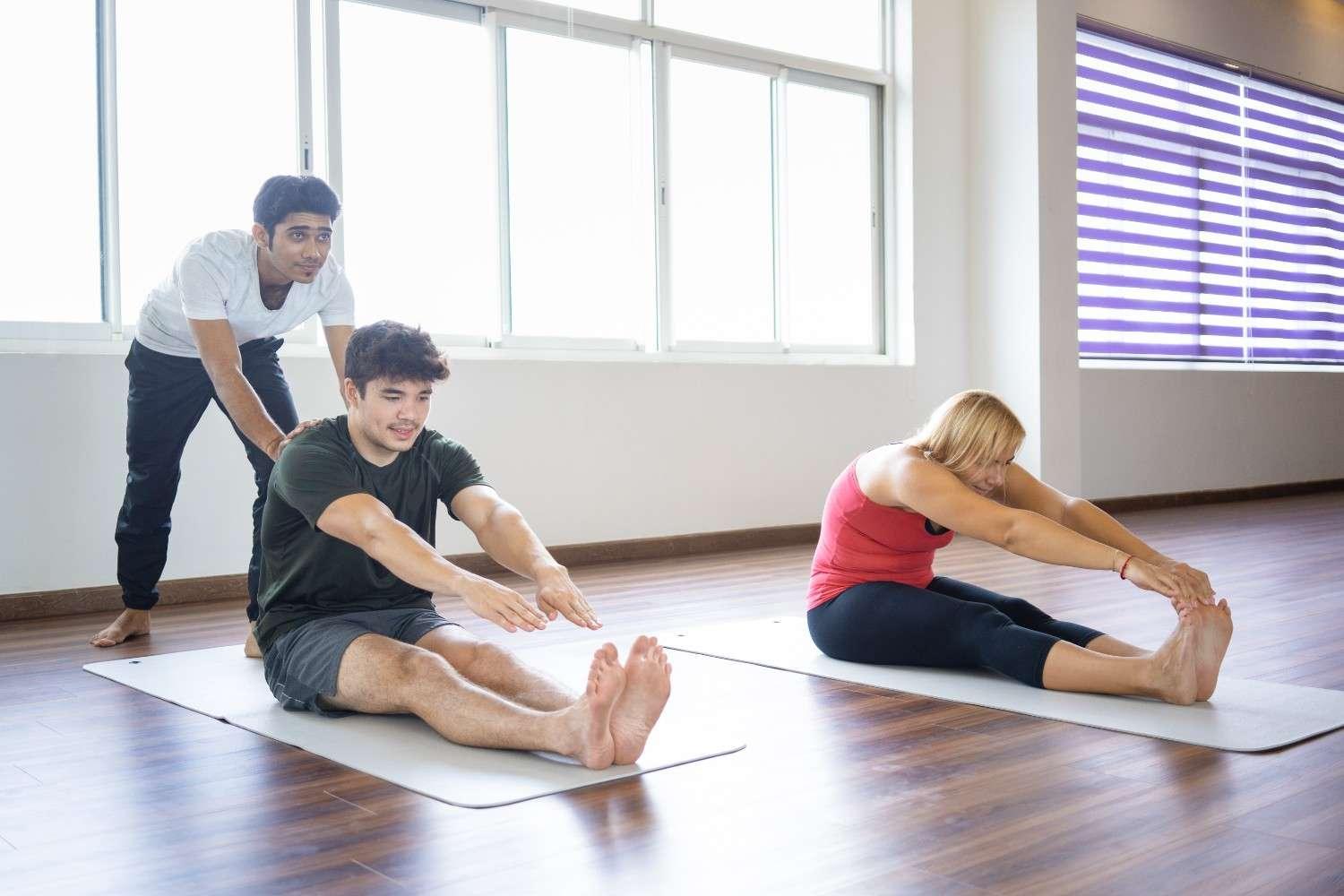
A session may involve guided movement, positioning, supported standing or other functional activities depending on the individual's abilities. The therapist should explain the purpose and progression of activities.
If you or your family member is experiencing difficulty with what to expect during a session, a professional rehabilitation assessment can help identify appropriate next steps.
How Neuromotion India Uses Rehabilitation Approaches
Neuromotion India provides individualized neuro-rehabilitation support for adults. Where appropriate, movement-based approaches can be integrated into a broader plan based on assessment and functional goals.
When to Consider Professional Assessment
Adults with persistent difficulties in posture, balance, movement, transfers, or functional mobility may benefit from a neuro-rehabilitation assessment to determine suitable treatment options.
When to Seek Professional Help
Professional rehabilitation assessment may be appropriate when an adult has persistent or worsening difficulty with movement, balance, walking, transfers, upper limb function, endurance, or everyday independence. New or sudden neurological symptoms require urgent medical evaluation rather than waiting for routine physiotherapy.
Do not delay professional evaluation when functional difficulties are interfering with safety or everyday life.
Conclusion
Dynamic Movement Intervention for Adults: Can It Support Functional Mobility? should be approached as an individualized rehabilitation process rather than a fixed set of exercises. Physiotherapy can focus on practical goals such as mobility, balance, strength, coordination, endurance, and participation in everyday activities, depending on the individual's condition.
Recovery can vary substantially between adults. A structured assessment can help identify current abilities, limitations, safety considerations, and realistic goals. Where needed, physiotherapy can also be coordinated with other rehabilitation professionals to support a broader recovery plan.
Neuromotion India offers specialized adult neuro-rehabilitation support across Delhi NCR, including Faridabad, Gurgaon, Noida, and Ghaziabad. Book an offline consultation with the rehabilitation team to receive a personalized assessment and understand the most appropriate rehabilitation pathway for your condition.
Frequently Asked Questions
1. Is DMI suitable for adults?
DMI may be considered for selected adults when clinically appropriate. Suitability should be determined through professional assessment.
2. What is DMI therapy used for?
DMI is a movement-based approach that may be used to support postural control, active movement, balance, and functional mobility.
3. Can DMI help with balance?
Movement-based interventions may support balance and postural control as part of an individualized rehabilitation programme.
4. Can DMI replace physiotherapy?
It should not automatically be viewed as a replacement. DMI may be incorporated into a broader rehabilitation programme where appropriate.
5. Can adults with neurological conditions use DMI?
Some adults with neurological movement limitations may be considered, depending on their clinical presentation and goals.
6. How long does DMI therapy take?
There is no universal duration. Frequency and duration depend on the individual's goals, response, and overall rehabilitation plan.
7. Is DMI useful for walking?
It may support underlying postural and movement skills that contribute to mobility, but walking rehabilitation should be specifically assessed and trained where appropriate.
8. Who provides DMI therapy?
DMI should be delivered by appropriately trained rehabilitation professionals within their scope of practice.
9. Is DMI available in Faridabad?
Adults in Faridabad can explore specialized rehabilitation services such as Neuromotion India and seek an assessment for suitability.
10. What should I do before starting DMI?
Discuss the individual's medical history, current functional abilities, goals, and any safety considerations with a qualified rehabilitation professional.