Brain Injury Rehabilitation: Physiotherapy for Adults After Traumatic Brain Injury
In this article
Brain Injury Rehabilitation: Physiotherapy for Adults After Traumatic Brain Injury
Adult neurological recovery can affect much more than a single movement. After a stroke, brain injury, spinal cord injury, or another neurological condition, adults may experience changes in strength, balance, coordination, endurance, mobility, and independence.
Adult neuro-rehabilitation focuses on the person's current abilities and meaningful functional goals. Physiotherapy may be one part of this process, with treatment selected after assessment and coordinated with other healthcare professionals when required.
For adults in Delhi NCR, including Faridabad, Gurgaon, Noida, and Ghaziabad, Neuromotion India provides specialized rehabilitation support for neurological and functional challenges.
Quick Summary
What Is Brain Injury Rehabilitation? can be addressed through individualized rehabilitation.
How Can Traumatic Brain Injury Affect Movement? can be addressed through individualized rehabilitation.
Role of Physiotherapy After Brain Injury can be addressed through individualized rehabilitation.
Balance and Coordination Rehabilitation can be addressed through individualized rehabilitation.
Walking Rehabilitation After Brain Injury can be addressed through individualized rehabilitation.
Strength and Endurance Training can be addressed through individualized rehabilitation.
Rehabilitation goals should be based on assessment, safety, and the individual's priorities.
Recovery varies significantly between adults, and there is no universal recovery timeline.
Multidisciplinary rehabilitation may be appropriate for complex neurological conditions.
Professional assessment can help determine the most suitable rehabilitation pathway.
Table of Contents
1. What Is Brain Injury Rehabilitation?
2. How Can Traumatic Brain Injury Affect Movement?
3. Role of Physiotherapy After Brain Injury
4. Balance and Coordination Rehabilitation
5. Walking Rehabilitation After Brain Injury
6. Strength and Endurance Training
7. Returning to Everyday Functional Activities
8. Multidisciplinary Brain Injury Rehabilitation
9. How Neuromotion India Supports Adult Brain Injury Recovery
10. When to Seek Professional Rehabilitation
What Is Brain Injury Rehabilitation?
Brain injury rehabilitation is a structured process designed to help a person regain or improve physical, cognitive, communication, and functional abilities affected by a brain injury. The rehabilitation plan depends on the location and severity of injury and the person's individual goals. Traumatic brain injury is a significant global health concern, with epidemiological estimates suggesting that tens of millions of people worldwide sustain a TBI each year.
How Can Traumatic Brain Injury Affect Movement?
Adults recovering from traumatic brain injury may experience weakness, poor balance, altered coordination, changes in muscle tone, dizziness, reduced endurance, or difficulty controlling movement. Some people may also have cognitive or communication difficulties that affect rehabilitation participation. Falls are consistently reported as one of the leading causes of traumatic brain injury, particularly among older adults, which is one reason balance and coordination are often an early rehabilitation focus.
If you or your family member is experiencing difficulty with how can traumatic brain injury affect movement?, a professional rehabilitation assessment can help identify appropriate next steps.
Role of Physiotherapy After Brain Injury
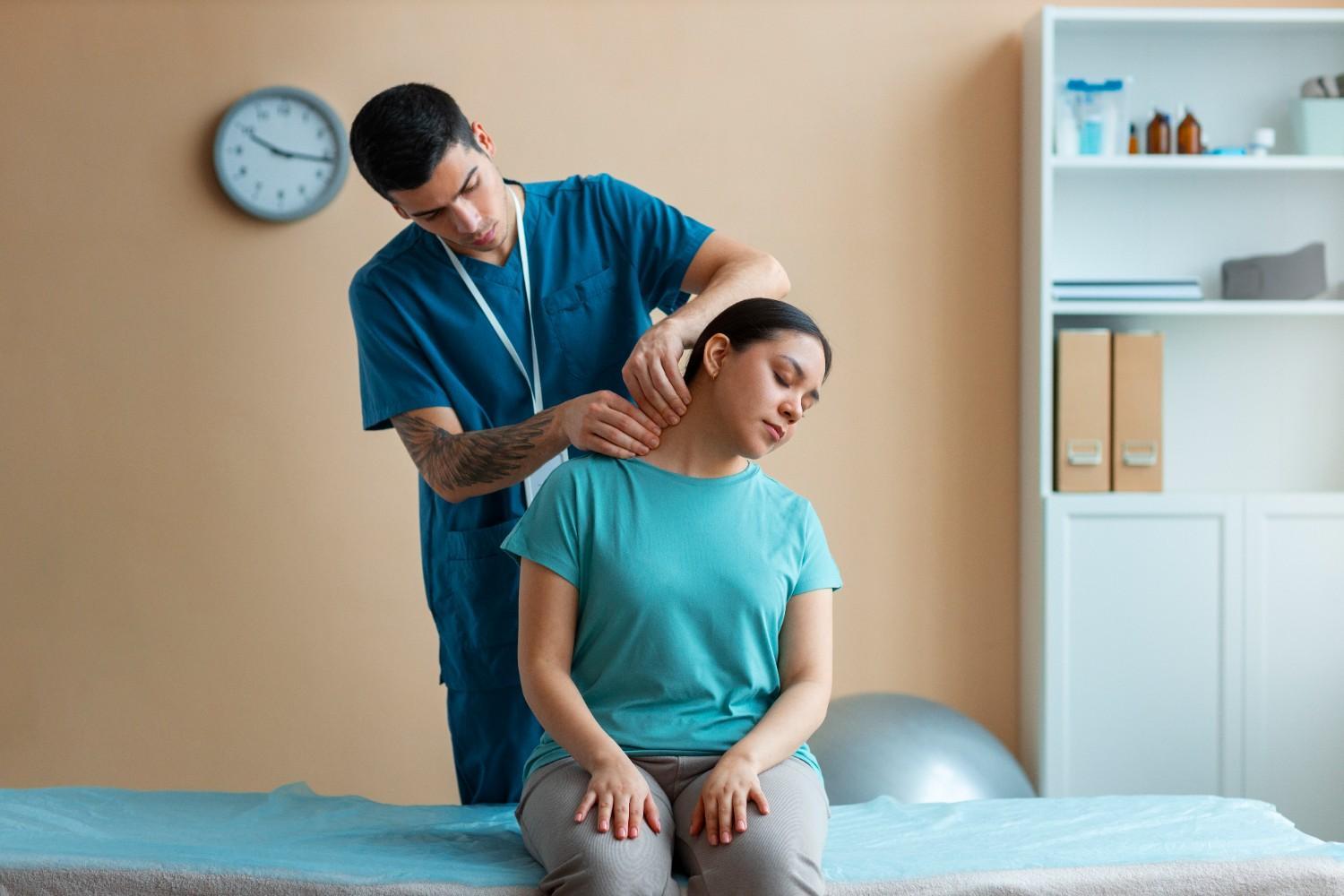
Physiotherapy can focus on movement, balance, transfers, walking, strength, endurance, coordination, positioning, and safe participation in daily activities. Treatment should be individualized following assessment.
Balance and Coordination Rehabilitation
Balance and coordination problems can make standing, walking, turning, and navigating the environment more difficult. Rehabilitation may involve progressive balance activities and functional movement practice based on the person's abilities.
Walking Rehabilitation After Brain Injury
Walking therapy may address posture, weight shifting, step control, endurance, and safe mobility. Assistive devices may be considered when clinically appropriate.
If you or your family member is experiencing difficulty with walking rehabilitation after brain injury, a professional rehabilitation assessment can help identify appropriate next steps.
Strength and Endurance Training
Reduced activity after a brain injury can contribute to deconditioning. Appropriate strengthening and endurance activities can be incorporated gradually while considering fatigue, cognition, balance, and medical status.
Returning to Everyday Functional Activities
Rehabilitation may connect physical training to meaningful tasks such as getting out of bed, moving between surfaces, walking indoors, climbing steps, dressing, or participating in community activities.
Multidisciplinary Brain Injury Rehabilitation
Brain injury recovery can involve physiotherapists, occupational therapists, speech-language professionals, physicians, psychologists, nurses, and other specialists depending on the person's needs. Coordination can help address different aspects of recovery.
If you or your family member is experiencing difficulty with multidisciplinary brain injury rehabilitation, a professional rehabilitation assessment can help identify appropriate next steps.
How Neuromotion India Supports Adult Brain Injury Recovery
Neuromotion India provides specialized rehabilitation support for adults with neurological and functional challenges. Patients from Faridabad and Delhi NCR can seek an individualized assessment and rehabilitation plan based on their condition and goals.
When to Seek Professional Rehabilitation
Persistent difficulty with walking, balance, transfers, coordination, endurance, or daily mobility after brain injury may warrant professional rehabilitation assessment.
When to Seek Professional Help
Professional rehabilitation assessment may be appropriate when an adult has persistent or worsening difficulty with movement, balance, walking, transfers, upper limb function, endurance, or everyday independence. New or sudden neurological symptoms require urgent medical evaluation rather than waiting for routine physiotherapy.
Do not delay professional evaluation when functional difficulties are interfering with safety or everyday life.
Conclusion
Brain Injury Rehabilitation: Physiotherapy for Adults After Traumatic Brain Injury should be approached as an individualized rehabilitation process rather than a fixed set of exercises. Physiotherapy can focus on practical goals such as mobility, balance, strength, coordination, endurance, and participation in everyday activities, depending on the individual's condition.
Recovery can vary substantially between adults. A structured assessment can help identify current abilities, limitations, safety considerations, and realistic goals. Where needed, physiotherapy can also be coordinated with other rehabilitation professionals to support a broader recovery plan.
Neuromotion India offers specialized adult neuro-rehabilitation support across Delhi NCR, including Faridabad, Gurgaon, Noida, and Ghaziabad. Book an offline consultation with the rehabilitation team to receive a personalized assessment and understand the most appropriate rehabilitation pathway for your condition.
Frequently Asked Questions
1. Can physiotherapy help after traumatic brain injury?
Physiotherapy may help address movement, balance, strength, coordination, walking, and functional mobility after traumatic brain injury.
2. How long does brain injury rehabilitation take?
Recovery timelines vary significantly and depend on the injury, medical status, neurological function, and rehabilitation goals.
3. Can walking improve after a brain injury?
Walking may improve in some adults with appropriate rehabilitation, but the potential and timeline depend on individual factors.
4. What exercises are used after brain injury?
Exercises may include balance, strengthening, mobility, coordination, gait, and functional activities selected after assessment.
5. Can physiotherapy help with balance after brain injury?
Yes. Balance assessment and progressive balance training may form part of a rehabilitation programme.
6. Is brain injury rehabilitation only for severe injuries?
No. Rehabilitation needs can vary widely. Even adults with relatively mild functional limitations may benefit from appropriate assessment.
7. Can adults recover years after a brain injury?
Some adults continue to work on functional goals long after the initial injury. The appropriate approach depends on current abilities and goals.
8. What is neurorehabilitation for brain injury?
Neurorehabilitation is a multidisciplinary approach addressing physical, cognitive, communication, and functional challenges following neurological injury.
9. Where can brain injury rehabilitation be taken in Faridabad?
Adults in Faridabad and Delhi NCR can seek specialized neuro-rehabilitation assessment from providers such as Neuromotion India.
10. When should I consult a physiotherapist after TBI?
Consultation may be appropriate when mobility, balance, strength, coordination, or functional independence remains affected.