Best Physiotherapy Clinic in Delhi NCR
In this article
Introduction
Pain, stiffness, reduced mobility, and difficulty performing daily activities can significantly affect your quality of life. Whether you're recovering from an injury, surgery, stroke, sports injury, or dealing with chronic pain, choosing the best physiotherapy clinic plays an important role in your recovery journey.
Physiotherapy focuses on restoring movement, reducing pain, improving strength, and helping individuals regain independence through evidence-based rehabilitation. Modern physiotherapy combines manual therapy, therapeutic exercises, movement retraining, and advanced rehabilitation technologies to support long-term recovery.
If you're searching for a physiotherapy clinic near me in Delhi NCR, understanding what quality physiotherapy looks like can help you make an informed decision. This guide explains everything you need to know, including treatments, benefits, and how Neuromotion India supports patients with personalized rehabilitation plans.
Quick Summary
Need professional guidance? Schedule an offline consultation at Neuromotion India to receive a personalized rehabilitation assessment.
Table of Contents
- What is Best Physiotherapy?
- Signs You May Need Physiotherapy
- Common Causes
- Risk Factors
- Diagnosis
- Physiotherapy Treatment Options
- How Neuromotion India Helps Patients
- Why Choose Neuromotion India
- Benefits of Early Rehabilitation
- Your Rehabilitation Journey
- Common Exercises & Rehabilitation Methods
- Factors That Influence Recovery
- When to Visit a Physiotherapist
- Conclusion
- FAQs
What is Best Physiotherapy?
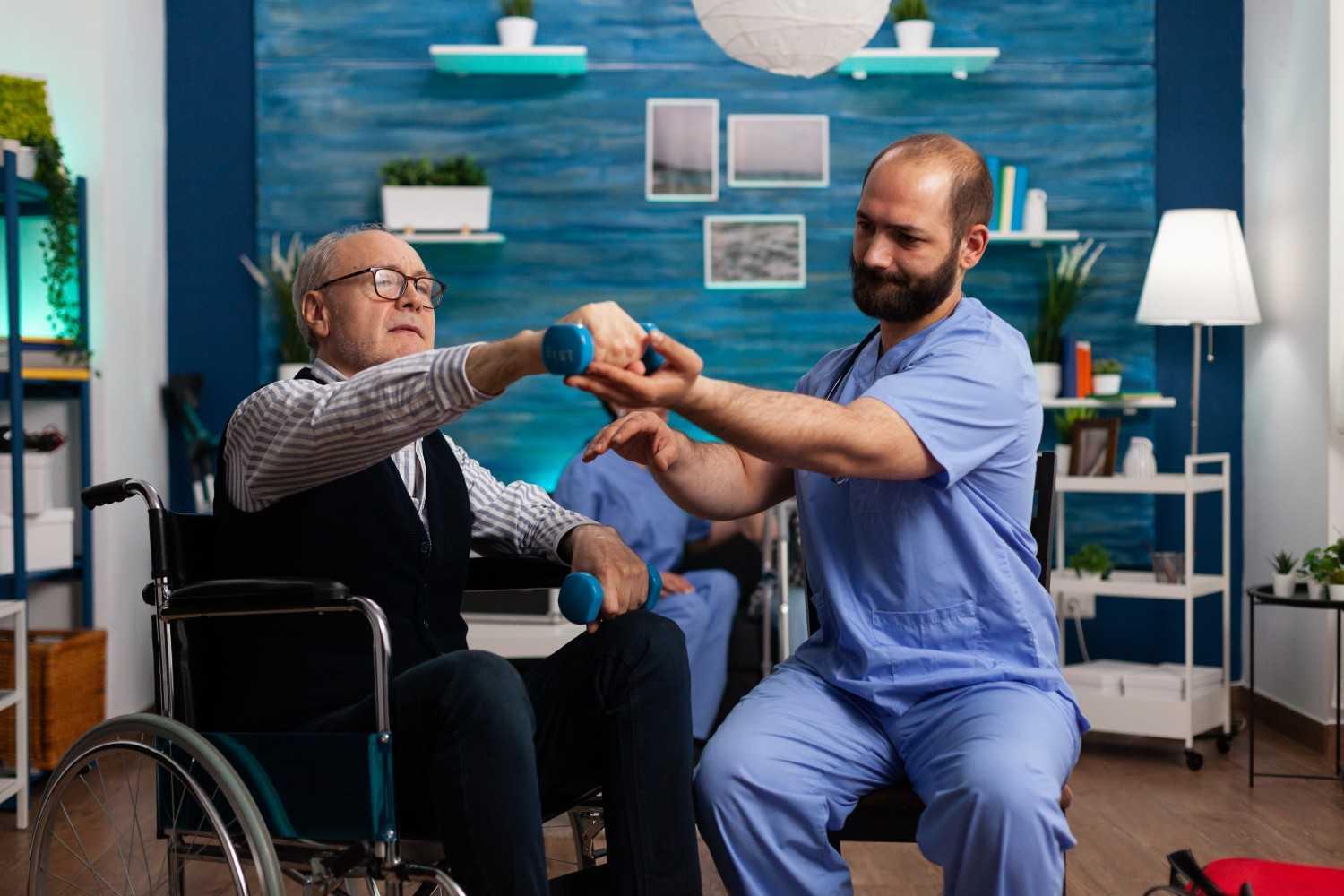
The term best physiotherapy refers to high-quality, evidence-based rehabilitation delivered by qualified physiotherapists using personalized treatment plans.
Rather than simply treating pain, physiotherapy aims to identify the root cause of movement problems and improve physical function through scientifically supported interventions.
A modern physical therapy clinic typically offers:
- Comprehensive physical assessments
- Pain management
- Manual therapy
- Exercise therapy
- Balance and gait training
- Neurological rehabilitation
- Sports rehabilitation
- Post-operative rehabilitation
- Pediatric rehabilitation
- Geriatric physiotherapy
Every patient's treatment plan should be individualized based on their diagnosis, lifestyle, goals, and overall health.
Looking for expert physiotherapy treatment? Neuromotion India provides comprehensive assessments before creating your rehabilitation plan.
Signs You May Need Physiotherapy
You may benefit from visiting a physiotherapist in Faridabad or Delhi NCR if you experience:
- Persistent neck or back pain
- Joint stiffness
- Difficulty walking
- Reduced balance
- Muscle weakness
- Recovery after surgery
- Sports injuries
- Stroke recovery challenges
- Frozen shoulder
- Arthritis-related mobility issues
- Frequent falls
- Difficulty climbing stairs
- Poor posture
- Limited range of motion
Ignoring these symptoms may lead to reduced mobility and longer recovery times.
Early assessment often helps identify movement problems before they become more limiting.
Common Causes
Many conditions can require physiotherapy treatment, including:
Orthopedic Conditions
- Osteoarthritis
- Ligament injuries
- Tendon injuries
- Fractures
- Back pain
- Neck pain
Neurological Conditions
- Stroke
- Parkinson's disease
- Multiple sclerosis
- Spinal cord injury
- Traumatic brain injury
Sports Injuries
- Muscle strains
- ACL injuries
- Tennis elbow
- Shoulder injuries
Lifestyle Factors
- Poor posture
- Sedentary lifestyle
- Obesity
- Repetitive workplace activitie
Risk Factors
Several factors increase the likelihood of developing mobility issues:
- Increasing age
- Lack of physical activity
- Diabetes
- Obesity
- Previous injuries
- Poor ergonomics
- Neurological disorders
- Sedentary work
- Osteoporosis
- Chronic joint diseases
While not everyone with these risk factors requires physiotherapy, they can contribute to pain and reduced function.
If you're noticing ongoing movement difficulties, an early evaluation can help determine whether physiotherapy is appropriate.
Diagnosis
Before beginning rehabilitation, a physiotherapist performs a detailed assessment that may include:
- Medical history review
- Pain assessment
- Muscle strength testing
- Joint mobility evaluation
- Balance assessment
- Walking analysis
- Functional movement testing
- Neurological examination (when required)
If necessary, physiotherapists work alongside orthopedic specialists, neurologists, and other healthcare professionals to ensure appropriate care.
Physiotherapy Treatment Options
Treatment varies depending on the diagnosis and patient goals.
Common physiotherapy treatment options include:
Manual Therapy
Hands-on techniques to improve joint mobility and reduce stiffness.
Exercise Therapy
Customized strengthening and flexibility exercises.
Balance & Gait Training
Designed for patients recovering from neurological conditions or falls.
Postural Correction
Improves body mechanics and reduces strain.
Neurological Rehabilitation
Focused programs for stroke, Parkinson's disease, spinal cord injuries, and brain injuries.
Sports Rehabilitation
Helps athletes safely return to activity.
Pain Management
Evidence-based techniques to reduce pain and improve function.
Functional Training
Improves the ability to perform daily activities independently.
How Neuromotion India Helps Patients
Neuromotion India provides patient-centered rehabilitation services across Delhi NCR, including Faridabad, Gurgaon, Noida, and Ghaziabad.
The clinic emphasizes:
- Comprehensive clinical assessment
- Individualized rehabilitation plans
- Evidence-based physiotherapy
- Neurological rehabilitation
- Pediatric rehabilitation
- Orthopedic physiotherapy
- Balance and gait training
- Functional recovery programs
- Continuous progress monitoring
The multidisciplinary rehabilitation team works together to support each patient's functional goals while adapting treatment based on progress.
Why Choose Neuromotion India
Patients often look for a physiotherapy clinic near me that combines expertise with personalized care.
Neuromotion India focuses on:
- Experienced rehabilitation professionals
- Personalized treatment plans
- Evidence-based therapy techniques
- Modern rehabilitation technologies
- Comfortable clinic environment
- Patient education
- Goal-oriented rehabilitation
- Convenient access from Delhi NCR
The clinic prioritizes helping patients improve mobility, independence, and overall quality of life through structured rehabilitation programs.
Benefits of Early Rehabilitation
Starting physiotherapy at the appropriate time may help:
- Improve mobility
- Reduce stiffness
- Enhance muscle strength
- Improve balance
- Increase independence
- Support recovery after surgery
- Improve posture
- Reduce the risk of future injuries
- Improve confidence during movement
Recovery varies from person to person, but timely intervention can often support better functional outcomes.
Step-by-Step Patient Journey at Neuromotion India
Step 1: Initial Consultation
Detailed discussion of symptoms, medical history, and rehabilitation goals.
Step 2: Physical Assessment
Comprehensive movement and functional evaluation.
Step 3: Personalized Treatment Plan
Customized rehabilitation program designed around your needs.
Step 4: Therapy Sessions
Regular supervised physiotherapy sessions.
Step 5: Progress Monitoring
Treatment adjustments based on recovery and functional improvements.
Step 6: Home Exercise Program
Guidance to continue rehabilitation safely at home.
Common Exercises & Rehabilitation Methods
Depending on the condition, rehabilitation may include:
- Stretching exercises
- Strength training
- Balance exercises
- Core stability exercises
- Walking practice
- Functional mobility training
- Resistance band exercises
- Joint mobility exercises
- Coordination training
- Neuromuscular re-education
Always perform exercises under professional guidance to ensure they are appropriate for your condition.
Factors That Influence Recovery
Recovery depends on multiple factors, including:
- Accurate diagnosis
- Early intervention
- Treatment consistency
- Severity of the condition
- Patient participation
- Home exercise compliance
- Overall health
- Lifestyle habits
Physiotherapy supports recovery, but outcomes vary between individuals. No treatment can guarantee specific results.
When Should You Visit a Specialist?
Seek professional assessment if you experience:
- Pain lasting more than a few weeks
- Difficulty walking
- Frequent falls
- Reduced joint movement
- Persistent weakness
- Recovery after surgery
- Stroke-related movement issues
- Sports injuries
- Difficulty performing daily activities
Early consultation allows healthcare professionals to recommend the most suitable rehabilitation plan.
Conclusion
Choosing the best physiotherapy clinic involves more than finding convenient access—it means selecting a team that provides evidence-based care, personalized treatment plans, and ongoing support throughout your recovery.
Whether you need rehabilitation after surgery, support for neurological conditions, chronic pain management, or sports injury recovery, Neuromotion India offers comprehensive physiotherapy treatment for patients across Delhi NCR, including Faridabad, Gurgaon, Noida, and Ghaziabad.
Ready to Begin Your Recovery?
Book an offline consultation at Neuromotion India for a personalized assessment and learn how a structured rehabilitation plan can help improve your mobility, strength, and overall quality of life.
Frequently Asked Questions (FAQs)
1. How do I choose the best physiotherapy clinic?
Look for qualified physiotherapists, personalized treatment plans, evidence-based care, modern facilities, and positive patient experiences. A detailed initial assessment is also an important indicator of quality care.
2. How many physiotherapy sessions will I need?
The number of sessions depends on your condition, goals, severity, and response to treatment. Your physiotherapist will review your progress regularly and adjust the treatment plan as needed.
3. Is physiotherapy painful?
Some exercises may cause mild discomfort, especially during rehabilitation, but treatment should not cause severe pain. Your therapist will modify techniques according to your comfort level.
4. Can physiotherapy help after surgery?
Yes. Physiotherapy is commonly recommended after orthopedic and neurological surgeries to improve strength, mobility, and functional recovery.
5. What conditions does physiotherapy treat?
Physiotherapy can help manage musculoskeletal pain, neurological disorders, sports injuries, post-operative recovery, balance problems, arthritis, and mobility limitations.
6. Do I need a doctor's referral?
In many cases, you can consult a physiotherapist directly. However, some medical conditions may require referral or coordination with your physician.
7. How long is a physiotherapy session?
Most sessions last between 30 and 60 minutes, depending on the treatment plan and individual needs.
8. What should I wear for physiotherapy?
Wear comfortable clothing that allows easy movement. Athletic wear is generally recommended.
9. Can elderly patients benefit from physiotherapy?
Yes. Physiotherapy can improve strength, balance, mobility, and independence while reducing the risk of falls in older adults.
10. Does physiotherapy only involve exercise?
No. Treatment may also include manual therapy, mobility training, balance exercises, posture correction, education, and functional rehabilitation.
11. Is physiotherapy useful for chronic pain?
Many people with chronic musculoskeletal pain benefit from individualized physiotherapy programs that focus on movement, strength, and pain management strategies.
12. When should I visit a physiotherapist?
If pain, stiffness, weakness, or movement problems persist for several days or interfere with daily activities, it is advisable to seek a professional assessment.